
Adjectives are essential for bringing vividness and detail to our descriptions, and when it comes to kites, a world of descriptive possibilities awaits. From the simple childhood diamond kite to intricate, professionally designed kites, adjectives help us capture their unique characteristics.
Understanding how to use adjectives effectively not only enhances your writing and speaking skills but also allows you to communicate the specific qualities of a kite, whether you’re discussing its color, shape, performance, or origin. This guide is designed for English language learners, kite enthusiasts, and anyone looking to expand their vocabulary and descriptive abilities.
Whether you’re a beginner or an advanced learner, this article will provide you with the tools and knowledge to confidently describe any kite you encounter.
This comprehensive guide will cover various types of adjectives, their proper usage, common mistakes to avoid, and practice exercises to solidify your understanding. By the end of this article, you’ll be well-equipped to paint a vivid picture of any kite using the power of adjectives.
Table of Contents
- What is an Adjective?
- Adjective Structure and Placement
- Types of Adjectives for Describing Kites
- Examples of Adjectives Describing Kites
- Usage Rules for Adjectives
- Common Mistakes with Adjectives
- Practice Exercises
- Advanced Topics: Compound and Participial Adjectives
- Frequently Asked Questions
- Conclusion
What is an Adjective?
An adjective is a word that modifies a noun or pronoun. It provides more information about the noun, describing its qualities, characteristics, or attributes. Adjectives answer questions like What kind?, Which one?, How many?, and How much? Understanding adjectives is fundamental to constructing detailed and descriptive sentences in English.
In the context of kites, adjectives allow us to specify the kind of kite we’re talking about. For example, instead of simply saying “kite,” we can use adjectives to say “colorful kite,” “large kite,” or “Japanese kite.” These adjectives add depth and clarity to our descriptions.

Adjective Structure and Placement
Adjectives typically appear before the noun they modify. This is known as the attributive position. For example: “a red kite,” “an enormous kite,” “a beautiful kite.”
However, adjectives can also appear after linking verbs such as be, seem, appear, look, feel, become, and get. This is known as the predicative position. For example: “The kite is red,” “The kite seems enormous,” “The kite looks beautiful.”
When multiple adjectives are used to describe a noun, they usually follow a specific order, although this order is often intuitive rather than rigidly enforced. A common guideline is: Opinion – Size – Age – Shape – Color – Origin – Material – Purpose. For example: “a beautiful large old diamond red Chinese silk kite” (although, in practice, we might rephrase this for more natural flow).
Types of Adjectives for Describing Kites
There are many different types of adjectives that can be used to describe kites. Here, we will explore some of the most common and useful categories:
Color Adjectives
Color adjectives are used to describe the color of the kite. These are some of the most basic and frequently used adjectives.
- Red
- Blue
- Green
- Yellow
- Orange
- Purple
- Pink
- Black
- White
- Gray
- Brown
- Turquoise
- Magenta
- Crimson
- Lavender
Shape Adjectives
Shape adjectives describe the form or outline of the kite.
- Diamond
- Delta
- Box
- Parafoil
- Sled
- Circular
- Rectangular
- Triangular
- Square
- Elliptical
Size Adjectives
Size adjectives indicate the dimensions or scale of the kite.
- Large
- Small
- Huge
- Tiny
- Giant
- Miniature
- Long
- Short
- Wide
- Narrow
Material Adjectives
Material adjectives specify what the kite is made of.
- Nylon
- Polyester
- Ripstop
- Silk
- Paper
- Plastic
- Cloth
- Canvas
- Mylar
- Kevlar
Performance Adjectives
Performance adjectives describe how the kite flies or behaves in the air.
- Stable
- Unstable
- Aerodynamic
- Fast
- Slow
- Responsive
- Agile
- Powerful
- Graceful
- Erratic
Origin Adjectives
Origin adjectives indicate where the kite comes from or its cultural association.
- Japanese
- Chinese
- American
- Balinese
- Indian
- Korean
- European
- Traditional
- Modern
- Vintage
Opinion Adjectives
Opinion adjectives express a subjective judgment or feeling about the kite.
- Beautiful
- Ugly
- Amazing
- Wonderful
- Impressive
- Interesting
- Boring
- Delightful
- Fantastic
- Elegant
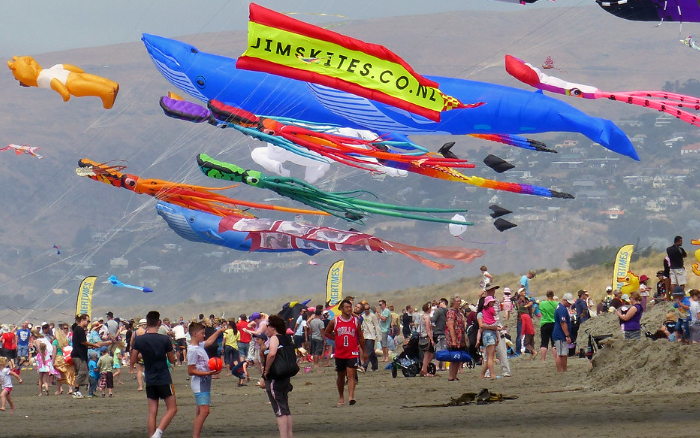
Examples of Adjectives Describing Kites
Here are several tables offering examples of how to use different types of adjectives to describe kites. Each table focuses on a specific category of adjectives and provides a variety of descriptive phrases.
The following table illustrates how to use color adjectives to describe different kites. Notice how the adjectives add specific visual details.
| Adjective | Example Sentence |
|---|---|
| Red | The red kite soared high above the beach. |
| Blue | A blue kite danced gracefully in the wind. |
| Green | We watched the green kite climb higher and higher. |
| Yellow | The yellow kite stood out against the clear sky. |
| Orange | An orange kite bobbed playfully in the breeze. |
| Purple | The child flew a purple kite with a long tail. |
| Pink | A pink kite fluttered like a butterfly. |
| Black | The black kite looked dramatic against the sunset. |
| White | A simple white kite floated peacefully. |
| Gray | The gray kite was barely visible on the cloudy day. |
| Brown | An old brown kite was patched and repaired. |
| Turquoise | The turquoise kite resembled a tropical bird. |
| Magenta | A vibrant magenta kite caught everyone’s eye. |
| Crimson | The crimson kite was a deep, rich red. |
| Lavender | A delicate lavender kite drifted gently. |
| Multicolor | The multicolor kite was a rainbow in the sky. |
| Striped | A striped kite added a fun pattern to the skyline. |
| Ombre | The ombre kite faded from blue to white. |
| Neon | The neon green kite drew attention from far away. |
| Pastel | The pastel pink kite was delicate and calming. |
This table shows how shape adjectives can be used to describe the physical form of a kite.
| Adjective | Example Sentence |
|---|---|
| Diamond | A classic diamond kite is easy to fly. |
| Delta | The delta kite soared with impressive speed. |
| Box | A box kite provides a stable, powerful lift. |
| Parafoil | The parafoil kite inflated in the wind. |
| Sled | A sled kite is simple and fun for beginners. |
| Circular | The circular kite spun in the sky. |
| Rectangular | A large rectangular kite banner flew proudly. |
| Triangular | The triangular kite cut through the air. |
| Square | A square kite was simple but effective. |
| Elliptical | The elliptical kite had a unique, modern design. |
| Winged | The winged kite resembled a bird in flight. |
| Dragon-shaped | The dragon-shaped kite was a spectacular sight. |
| Kite-shaped | The kite-shaped kite was a logo for the festival. |
| Asymmetrical | The asymmetrical kite was a modern art piece. |
| Curved | The curved kite was designed for acrobatic tricks. |
| Flat | The flat kite was easy to pack for travel. |
| 3D | The 3D kite looked incredibly realistic. |
| Geometric | The geometric kite featured sharp angles and lines. |
| Star-shaped | The star-shaped kite was part of a celebration. |
| Conical | The conical kite was unusual and eye-catching. |
This table demonstrates how to use size adjectives to provide information about the kite’s dimensions.
| Adjective | Example Sentence |
|---|---|
| Large | A large kite required two people to launch. |
| Small | The small kite was perfect for a child. |
| Huge | A huge kite dominated the sky. |
| Tiny | The tiny kite was more of a novelty item. |
| Giant | A giant kite was the main attraction at the festival. |
| Miniature | The miniature kite was part of a collection. |
| Long | A long kite with a flowing tail danced in the wind. |
| Short | The short kite was easy to control. |
| Wide | A wide kite caught a lot of wind. |
| Narrow | The narrow kite was designed for speed. |
| Oversized | The oversized kite required special handling. |
| Compact | The compact kite was easy to store. |
| Extensive | The extensive kite display featured kites of all sizes. |
| Substantial | The substantial kite was a challenge to launch. |
| Pettite | The pettite kite was ideal for beginners. |
| Voluminous | The voluminous kite was shaped like a whale. |
| Immensely | The immensely large kite required many people to fly. |
| Minuscule | The minuscule kite was a testament to craftsmanship. |
| Grand | The grand kite was the centrepiece of the kite festival. |
| Diminutive | The diminutive kite was a delicate and beautiful sight. |
The following table provides examples of sentences using material adjectives to describe kites.
| Adjective | Example Sentence |
|---|---|
| Nylon | A nylon kite is durable and lightweight. |
| Polyester | The polyester kite resisted tearing in strong winds. |
| Ripstop | A ripstop kite is designed to prevent further damage if torn. |
| Silk | The silk kite was delicate and beautiful. |
| Paper | A traditional paper kite required careful handling. |
| Plastic | The plastic kite was inexpensive and easy to replace. |
| Cloth | A cloth kite absorbed moisture and became heavy. |
| Canvas | The canvas kite was strong and durable. |
| Mylar | A Mylar kite shimmered in the sunlight. |
| Kevlar | The Kevlar kite was incredibly strong and resistant. |
| Bamboo | The bamboo kite was handmade and lightweight. |
| Wooden | The wooden kite felt sturdy and traditional. |
| Fabric | The fabric kite was easy to fold and store. |
| Cotton | The cotton kite was soft and absorbent. |
| Satin | The satin kite had a shiny, luxurious feel. |
| Fiberglass | The fiberglass kite was light and strong. |
| Metal | The metal kite was a modern, artistic design. |
| Composite | The composite kite was made of several materials. |
| Spinnaker | The spinnaker kite was designed for speed and stability. |
| Rayon | The rayon kite was soft and flexible. |
This table presents examples of performance adjectives used to describe how a kite behaves in the air.
| Adjective | Example Sentence |
|---|---|
| Stable | The stable kite held its position even in gusty winds. |
| Unstable | The unstable kite dipped and swerved unpredictably. |
| Aerodynamic | An aerodynamic kite sliced through the air effortlessly. |
| Fast | The fast kite zipped across the sky. |
| Slow | The slow kite floated gently, barely moving. |
| Responsive | The responsive kite reacted quickly to every tug of the string. |
| Agile | An agile kite performed loops and dives with ease. |
| Powerful | The powerful kite pulled strongly against the line. |
| Graceful | A graceful kite danced elegantly in the wind. |
| Erratic | The erratic kite was difficult to control. |
| Soaring | The soaring kite reached great heights with ease. |
| Floating | The floating kite seemed to defy gravity. |
| Diving | The diving kite performed dramatic aerial maneuvers. |
| Drifting | The drifting kite moved lazily with the breeze. |
| Ascending | The ascending kite climbed higher and higher. |
| Descending | The descending kite gracefully returned to earth. |
| Balancing | The balancing kite maintained perfect equilibrium. |
| Gliding | The gliding kite moved silently through the air. |
| Looping | The looping kite performed impressive aerial acrobatics. |
| Spinning | The spinning kite twirled rapidly in the sky. |
Usage Rules for Adjectives
Here are some important rules to keep in mind when using adjectives:
- Placement: Adjectives usually come before the noun they modify (attributive) or after a linking verb (predicative).
- Order: When using multiple adjectives, follow the general order: Opinion, Size, Age, Shape, Color, Origin, Material, Purpose.
- Articles: Use “a” before adjectives that begin with a consonant sound and “an” before adjectives that begin with a vowel sound (e.g., “a beautiful kite,” “an enormous kite”).
- Proper Adjectives: Proper adjectives (derived from proper nouns) are always capitalized (e.g., “Japanese kite,” “American flag”).
- Comparative and Superlative Forms: Use comparative forms (-er or “more”) to compare two things and superlative forms (-est or “most”) to compare three or more things (e.g., “This kite is faster than that one,” “This is the fastest kite of all”).
Common Mistakes with Adjectives
Here are some common mistakes to avoid when using adjectives:
- Misplaced Adjectives: Ensure the adjective is close to the noun it modifies to avoid confusion.
- Incorrect: “I saw a kite flying on the beach that was red.”
- Correct: “I saw a red kite flying on the beach.”
- Incorrect Order of Adjectives: Follow the general order of adjectives.
- Incorrect: “a red big kite”
- Correct: “a big red kite”
- Using Adverbs Instead of Adjectives: Adverbs modify verbs, adjectives, or other adverbs, not nouns.
- Incorrect: “The kite flies quick.”
- Correct: “The kite is quick.” (Or, “The kite flies quickly.”)
- Double Negatives: Avoid using two negative words together, as they cancel each other out.
- Incorrect: “The kite isn’t uninteresting.”
- Correct: “The kite is interesting.”
- Confusing Adjectives with Similar Meanings: Choose the adjective that best fits the context.
- Incorrect: “The kite was sensible.” (If you mean “sensitive”)
- Correct: “The kite was sensitive to the wind.”
Practice Exercises
Test your understanding of adjectives with these practice exercises.
Exercise 1: Fill in the Blanks
Complete the following sentences with appropriate adjectives.
| Question | Answer |
|---|---|
| 1. The ______ kite soared high above the trees. | Colorful |
| 2. She flew a ______ ______ kite at the beach. | small, blue |
| 3. The ______ ______ kite was made of ______. | large, delta, nylon |
| 4. That ______ kite is hard to control. | erratic |
| 5. The ______ kite was a gift from ______. | beautiful, Japan |
| 6. I saw a ______ ______ ______ kite at the festival. | big, red, diamond |
| 7. The ______ kite danced in the sky. | graceful |
| 8. The ______ kite was perfect for the ______ weather. | stable, windy |
| 9. We watched the ______ kite climb higher and higher. | green |
| 10. The ______ ______ kite shimmered in the sunlight. | shiny, Mylar |
Exercise 2: Identify the Adjectives
Identify the adjectives in the following sentences.
| Question | Answer |
|---|---|
| 1. The aerodynamic kite soared through the air. | aerodynamic |
| 2. A small, yellow kite danced in the breeze. | small, yellow |
| 3. The silk kite was delicate and beautiful. | silk, delicate, beautiful |
| 4. The powerful kite pulled strongly against the line. | powerful |
| 5. The Japanese kite had intricate designs. | Japanese, intricate |
| 6. The old, brown kite was patched and repaired. | old, brown |
| 7. The square kite bobbed playfully in the breeze. | square |
| 8. A vibrant, magenta kite caught everyone’s eye. | vibrant, magenta |
| 9. The stable kite held its position in the high winds. | stable, high |
| 10. The huge kite dominated the sky. | huge |
Exercise 3: Correct the Sentences
Correct the sentences with errors in adjective usage.
| Question | Answer |
|---|---|
| 1. I saw a kite flying that was blue. | I saw a blue kite flying. |
| 2. The kite flies quick. | The kite is quick. |
| 3. a red big kite | a big red kite |
| 4. The kite isn’t uninteresting. | The kite is interesting. |
| 5. A Japanese old kite flew. | An old Japanese kite flew. |
| 6. The kite was sensible to the wind. | The kite was sensitive to the wind. |
| 7. They had an enormous red beautiful kite. | They had a beautiful enormous red kite. |
| 8. The smaller kite is more better. | The smaller kite is better. |
| 9. She saw a kite colored rainbow. | She saw a rainbow-colored kite. |
| 10. The kite was floating graceful. | The kite was floating gracefully. / The kite was graceful. |
Advanced Topics: Compound and Participial Adjectives
For advanced learners, let’s explore compound and participial adjectives.
- Compound Adjectives: These are adjectives made up of two or more words, often hyphenated (e.g., “a well-designed kite,” “a hand-made kite,” “a record-breaking kite”).
- Participial Adjectives: These are adjectives formed from verb participles (present and past participles) (e.g., “a flying kite,” “a damaged kite,” “an exciting kite”).
Examples of compound adjectives used to describe kites:
- A well-made kite
- A record-breaking kite
- A hand-painted kite
- A high-flying kite
- A wind-powered kite
Examples of participial adjectives used to describe kites:
- A soaring kite
- A damaged kite
- An exciting kite
- A floating kite
- A tangled kite
Frequently Asked Questions
Here are some frequently asked questions about using adjectives:
- What is the difference between an adjective and an adverb?An adjective modifies a noun or pronoun, while an adverb modifies a verb, adjective, or another adverb. For example, “a beautiful kite” (adjective) vs. “The kite flies beautifully” (adverb).
- Can I use more than three adjectives to describe a noun?Yes, you can, but it’s generally better to keep the number of adjectives to a reasonable amount (usually no more than three) to avoid making the sentence too cumbersome. If you need to use more, consider rephrasing the sentence.
- What are proper adjectives, and how are they used?Proper adjectives are adjectives derived from proper nouns. They are always capitalized. For example, “Japanese kite,” “American flag,” “Chinese paper.”
- How do I know the correct order of adjectives?The general order is: Opinion – Size – Age – Shape – Color – Origin – Material – Purpose. However, this is a guideline, and the most important thing is to make the sentence sound natural. Native speakers often adjust the order for better flow.
- Can a noun be used as an adjective?Yes, a noun can be used as an adjective. This is called a noun adjunct or attributive noun. For example, “kite festival,” “wind speed,” “beach day.”
- What are comparative and superlative adjectives?Comparative adjectives compare two things (e.g., “This kite is faster than that one”). Superlative adjectives compare three or more things (e.g., “This is the fastest kite of all”).
- How do I form comparative and superlative adjectives?For most short adjectives, add “-er” for the comparative and “-est” for the superlative (e.g., “fast,” “faster,” “fastest”). For longer adjectives, use “more” for the comparative and “most” for the superlative (e.g., “beautiful,” “more beautiful,” “most beautiful”).
- What are some common mistakes to avoid when using adjectives?Common mistakes include misplaced adjectives, incorrect order of adjectives, using adverbs instead of adjectives, double negatives, and confusing adjectives with similar meanings.
Conclusion
Mastering the use of adjectives is crucial for enhancing your descriptive abilities and adding precision to your communication. By understanding the different types of adjectives and their proper usage, you can effectively convey the unique characteristics of kites and other subjects.
Remember to pay attention to adjective order, avoid common mistakes, and practice regularly to solidify your knowledge. With these tools, you’ll be well-equipped to paint vivid and engaging pictures with your words.
Continue to explore and experiment with adjectives in your writing and speaking. The more you practice, the more natural and confident you will become in using them.
Embrace the power of descriptive language and bring your observations to life!