Understanding how to say “mother” in Spanish is more than just learning a translation; it’s about grasping the nuances of family relationships and cultural expressions. This guide provides a detailed exploration of the various ways to refer to “mother” in Spanish, from the formal to the colloquial.
Mastering these terms and their usage will enhance your communication skills and provide a deeper insight into Hispanic cultures. Whether you’re a beginner or an advanced learner, this article will equip you with the knowledge and practice needed to confidently express your love and respect for mothers in Spanish.
Table of Contents
- Introduction
- Definition of “Mother” in Spanish
- Structural Breakdown of Key Terms
- Types and Categories of “Mother” in Spanish
- Examples of “Mother” in Spanish
- Usage Rules for “Mother” in Spanish
- Common Mistakes When Referring to “Mother”
- Practice Exercises
- Advanced Topics
- Frequently Asked Questions
- Conclusion
Definition of “Mother” in Spanish
The most common and direct translation of “mother” in Spanish is madre. This word functions as a noun and refers to the female parent of a child. The term is widely understood and used across all Spanish-speaking regions. However, Spanish, like many languages, offers various ways to express the concept of “mother,” ranging from formal and respectful terms to informal and affectionate nicknames. Understanding these different terms allows for a more nuanced and culturally sensitive communication.
The word madre is a feminine noun, and its grammatical gender is important when using articles and adjectives. For example, you would say “la madre” (the mother) and “mi madre” (my mother). The function of madre is to identify the female parent in a family relationship, and it’s used in a wide variety of contexts, from everyday conversations to formal settings.
Furthermore, the term “mother” can extend metaphorically in Spanish, similar to English, to refer to the origin or source of something. For example, one might say “Roma es la madre de la civilización occidental” (Rome is the mother of Western civilization). This metaphorical usage adds another layer of depth to the word’s meaning and significance.
Structural Breakdown of Key Terms
Let’s examine the structural elements of the key Spanish terms for “mother”:
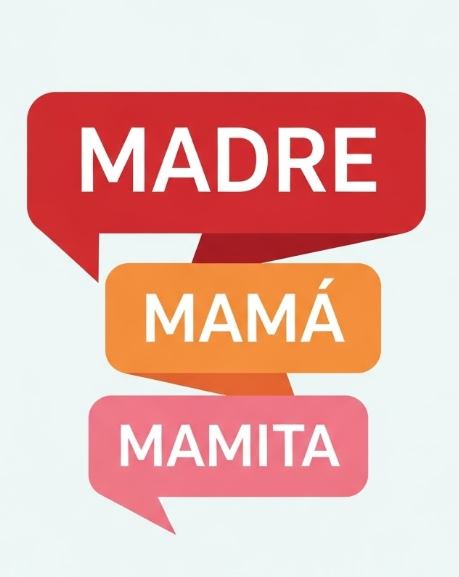
- Madre: This is the base word, derived from Latin. It’s a simple, one-word noun.
- Mamá: This is an informal term, often used by children. It’s also a one-word noun, but with a more affectionate connotation. The accent mark on the second “a” (á) is crucial, as it distinguishes it from other words and indicates the stressed syllable.
- Madrecita: This is a diminutive form of madre, meaning “little mother” or “dear mother.” The suffix “-cita” is added to the end of the word to create the diminutive.
- Mamita: This is a diminutive form of mamá, further emphasizing affection. The suffix “-ita” is added here.
Understanding these structural changes, particularly the use of diminutive suffixes, is essential for grasping the nuances of affection and informality in Spanish.
Types and Categories of “Mother” in Spanish
The Spanish language offers a variety of ways to refer to “mother,” each with its own specific nuance and context. These can be broadly categorized into formal, informal, and regional variations.
Formal Terms
Formal terms are used in more respectful or distant contexts. These are typically used when addressing someone older or when maintaining a level of politeness. The primary formal term is madre.
Using madre is appropriate in official settings, when speaking to someone you don’t know well, or when you want to show respect. It’s also used in more literary or formal writing.
Informal Terms
Informal terms are used in casual, familiar settings, typically among family members and close friends. These terms often convey affection and warmth. Common informal terms include mamá, madrecita, and mamita.
Mamá is the most common informal term and is widely used by children and adults alike. Madrecita and mamita are diminutive forms that add an extra layer of affection and are often used to express endearment.
Regional Variations
Spanish is spoken in many countries, and each region may have its own unique terms or variations for “mother.” While madre and mamá are universally understood, some regions may have their own local expressions.
For example, in some parts of Latin America, you might hear terms like “ma” or “jefa” (boss), although these are less common and can have slightly different connotations depending on the context. It’s always a good idea to be aware of regional variations when communicating in Spanish to avoid misunderstandings.
Examples of “Mother” in Spanish
To better understand the usage of these terms, let’s look at specific examples in different contexts. These examples will illustrate how to use “mother” in Spanish in various situations, from formal conversations to casual interactions.
Formal Usage Examples
The following table provides examples of how to use the formal term madre in different sentences. These examples showcase the proper context and grammatical structure for using this term in formal settings.
| Spanish Sentence | English Translation |
|---|---|
| Mi madre es una doctora. | My mother is a doctor. |
| La madre de Juan es muy amable. | Juan’s mother is very kind. |
| Respeto mucho a mi madre. | I respect my mother very much. |
| Mi madre siempre me apoya. | My mother always supports me. |
| La madre naturaleza es impresionante. | Mother nature is impressive. |
| Mi madre trabaja en un banco. | My mother works in a bank. |
| La madre de mi amigo es profesora. | My friend’s mother is a teacher. |
| Mi madre cocina muy bien. | My mother cooks very well. |
| La madre de la novia es muy elegante. | The bride’s mother is very elegant. |
| Mi madre siempre tiene la razón. | My mother is always right. |
| La madre de mis hijos es maravillosa. | The mother of my children is wonderful. |
| Mi madre me enseñó a ser honesto. | My mother taught me to be honest. |
| La madre de mi vecina es enfermera. | My neighbor’s mother is a nurse. |
| Mi madre es mi mejor amiga. | My mother is my best friend. |
| La madre de mi jefe es muy simpática. | My boss’s mother is very nice. |
| Mi madre siempre está ahí para mí. | My mother is always there for me. |
| La madre de mi compañero de trabajo es abogada. | My coworker’s mother is a lawyer. |
| Mi madre me dio la vida. | My mother gave me life. |
| La madre de mi esposo es muy cariñosa. | My husband’s mother is very affectionate. |
| Mi madre siempre me da buenos consejos. | My mother always gives me good advice. |
| La madre de mi prima es muy divertida. | My cousin’s mother is very funny. |
| Mi madre es una persona muy fuerte. | My mother is a very strong person. |
| La madre de mi abuelo era muy sabia. | My grandfather’s mother was very wise. |
| Mi madre me apoya en todo lo que hago. | My mother supports me in everything I do. |
| La madre de mi sobrino es muy joven. | My nephew’s mother is very young. |
| Mi madre siempre me anima a seguir mis sueños. | My mother always encourages me to follow my dreams. |
| La madre de mi nuera es muy amable. | My daughter-in-law’s mother is very kind. |
| Mi madre es una persona muy especial. | My mother is a very special person. |
Informal Usage Examples
The following table provides examples of how to use the informal terms mamá, madrecita, and mamita in different sentences. These examples demonstrate the affectionate and casual nature of these terms.
| Spanish Sentence | English Translation |
|---|---|
| Mamá, ¿qué vamos a comer hoy? | Mom, what are we going to eat today? |
| Madrecita, te quiero mucho. | Mommy, I love you very much. |
| Mamita, eres la mejor. | Mommy, you’re the best. |
| Mamá, necesito tu ayuda. | Mom, I need your help. |
| Madrecita, gracias por todo. | Mommy, thank you for everything. |
| Mamita, eres mi heroína. | Mommy, you are my hero. |
| Mamá, ¿me puedes llevar al parque? | Mom, can you take me to the park? |
| Madrecita, eres muy hermosa. | Mommy, you are very beautiful. |
| Mamita, eres mi ángel. | Mommy, you are my angel. |
| Mamá, te llamo luego. | Mom, I’ll call you later. |
| Madrecita, eres mi inspiración. | Mommy, you are my inspiration. |
| Mamita, eres mi sol. | Mommy, you are my sunshine. |
| Mamá, ¿dónde están mis llaves? | Mom, where are my keys? |
| Madrecita, eres muy especial. | Mommy, you are very special. |
| Mamita, eres mi vida. | Mommy, you are my life. |
| Mamá, estoy orgulloso de ti. | Mom, I’m proud of you. |
| Madrecita, eres mi ejemplo a seguir. | Mommy, you are my role model. |
| Mamita, eres mi reina. | Mommy, you are my queen. |
| Mamá, te extraño mucho. | Mom, I miss you a lot. |
| Madrecita, eres mi confidente. | Mommy, you are my confidante. |
| Mamita, eres mi alegría. | Mommy, you are my joy. |
| Mamá, gracias por tu amor. | Mom, thank you for your love. |
| Madrecita, eres muy valiente. | Mommy, you are very brave. |
| Mamita, eres mi tesoro. | Mommy, you are my treasure. |
| Mamá, siempre estás ahí para mí. | Mom, you are always there for me. |
| Madrecita, eres mi refugio. | Mommy, you are my refuge. |
| Mamita, eres mi todo. | Mommy, you are my everything. |
| Mamá, eres la mejor mamá del mundo. | Mom, you are the best mom in the world. |
Regional Variation Examples
While madre and mamá are widely understood, some regions have their own unique terms. The following table provides a few examples of regional variations.
| Region | Term | Context |
|---|---|---|
| Some Latin American countries | Ma | Shortened version of mamá, used informally. |
| Some Latin American countries | Jefa | Informal term, meaning “boss,” used affectionately. |
| Spain (Andalusia) | Mare | Regional variation of madre, used informally. |
| Mexico | Amá | Shortened version of mamá, used in rural areas. |
| Argentina | *Vieja* | Very informal and potentially offensive if not used in a close relationship. Can mean “old woman” but in very close families can be an endearing term. |
It’s important to note that the usage and acceptability of regional variations can vary greatly depending on the specific region and social context. Always be mindful of the local customs and norms.
Usage Rules for “Mother” in Spanish
Understanding the grammatical rules associated with the Spanish terms for “mother” is crucial for accurate and effective communication. These rules involve grammatical gender, possessive pronouns, and the use of diminutives.
Grammatical Gender
In Spanish, nouns have grammatical gender, either masculine or feminine. Madre and mamá are feminine nouns, so they must be used with feminine articles and adjectives. For example:
- La madre (the mother)
- Una madre (a mother)
- Mi madre querida (my dear mother)
Using the correct grammatical gender is essential for proper sentence construction and clarity.
Possessive Pronouns
When using possessive pronouns with “mother” in Spanish, it’s important to use the correct form that agrees in gender and number. Common possessive pronouns include mi (my), tu (your), su (his/her/your formal), nuestro/a (our), vuestro/a (your plural informal), and su (their/your plural formal).
Examples:
- Mi madre (my mother)
- Tu mamá (your mom)
- Su madre (his/her/your formal mother)
- Nuestra madre (our mother)
The possessive pronoun must agree in gender and number with the noun it modifies, in this case, madre or mamá.
Using Diminutives
Diminutives are suffixes that are added to words to indicate smallness, affection, or endearment. In the case of “mother,” the diminutives -cita and -ita are commonly used to form madrecita and mamita, respectively.
These diminutive forms add an extra layer of affection and are typically used in informal settings to express endearment. For example, you might say “Madrecita, te quiero mucho” (Mommy, I love you very much) to express your love and affection.
Common Mistakes When Referring to “Mother”
Even experienced learners can make mistakes when referring to “mother” in Spanish. Here are some common errors and how to avoid them:
| Incorrect | Correct | Explanation |
|---|---|---|
| El madre | La madre | Madre is a feminine noun and requires the feminine article la. |
| Mi padre (intending to say “my mother”) | Mi madre | Padre means “father,” while madre means “mother.” |
| Madre, necesito ayuda (said to someone you know well) | Mamá, necesito ayuda | Using madre in this context can sound too formal; mamá is more appropriate for familiar situations. |
| Madrecito | Madrecita | The correct diminutive form is madrecita, not madrecito. |
| Mama (without the accent) | Mamá | The accent mark is crucial; mama without the accent has a different meaning (“she sucks” in Spanish). |
Being aware of these common mistakes and practicing the correct forms will help you avoid errors and communicate more effectively.
Practice Exercises
Test your knowledge with these practice exercises. Fill in the blanks with the correct Spanish term for “mother” in the appropriate context.
| Question | Answer |
|---|---|
| 1. ______ es la persona que me dio la vida. | Madre |
| 2. ______ , ¿me puedes ayudar con mi tarea? | Mamá |
| 3. Quiero mucho a mi ______. | madre/mamá |
| 4. ______ siempre está ahí para mí. | Mamá/Madre |
| 5. Mi ______ cocina muy bien. | madre |
| 6. ______ , te deseo un feliz día. | Mamá |
| 7. La ______ de mi amigo es muy simpática. | madre |
| 8. ______ eres la mejor del mundo. | Mamá |
| 9. Mi ______ me enseñó a ser honesto. | madre |
| 10. ______ , gracias por todo tu amor. | Mamá |
More Challenging Exercises:
Translate the following sentences into Spanish, using the most appropriate term for “mother” based on the context.
| English Sentence | Spanish Translation |
|---|---|
| 1. My mother is a teacher. (Formal) | Mi madre es profesora. |
| 2. Mom, can you help me? (Informal) | Mamá, ¿me puedes ayudar? |
| 3. I love my mommy very much. (Affectionate) | Quiero mucho a mi mamita/madrecita. |
| 4. Juan’s mother is very kind. (Formal) | La madre de Juan es muy amable. |
| 5. Mom, I miss you. (Informal) | Mamá, te extraño. |
| 6. My dear mother always supports me. (Affectionate) | Mi madrecita/mamita siempre me apoya. |
| 7. The mother of my friend is a doctor. (Formal) | La madre de mi amigo es doctora. |
| 8. Mom, where are my keys? (Informal) | Mamá, ¿dónde están mis llaves? |
| 9. My mother taught me to be kind. (Formal) | Mi madre me enseñó a ser amable. |
| 10. Mommy, you’re the best! (Affectionate) | Mamita/Madrecita, ¡eres la mejor! |
Advanced Topics
For advanced learners, let’s delve into more complex aspects of using “mother” in Spanish, including idioms, expressions, and cultural significance.
Idioms and Expressions with “Mother”
Spanish, like any language, has several idioms and expressions that use the word “mother.” Understanding these expressions can provide a deeper insight into the cultural nuances of the language.
| Idiom | Meaning | Example |
|---|---|---|
| Ser la leche (materna) | To be the best, the greatest (literally “to be the (mother’s) milk”) | ¡Ese jugador es la leche! (That player is the best!) |
| De tal palo, tal astilla | Like father, like son (or, in some contexts, like mother, like daughter) – (literally “from such stick, such splinter”) | Siempre está llegando tarde, de tal palo, tal astilla. (He’s always arriving late, like mother, like daughter.) |
| Madre mía! | Oh my God! (expression of surprise or shock) | ¡Madre mía! ¡Qué susto me has dado! (Oh my God! You scared me!) |
Cultural Significance of “Mother”
In Hispanic cultures, mothers hold a particularly revered position. They are often seen as the heart of the family, providing emotional support, guidance, and unconditional love.
This cultural significance is reflected in the language, with the various terms for “mother” conveying deep affection and respect.
Mother’s Day (Día de la Madre) is a widely celebrated holiday in Spanish-speaking countries, with families coming together to honor and appreciate their mothers. This holiday is a testament to the important role that mothers play in Hispanic societies.
Frequently Asked Questions
Here are some frequently asked questions about using “mother” in Spanish:
- Is it always appropriate to use mamá?Mamá is generally appropriate in informal settings with family and close friends. However, in more formal situations, it’s better to use madre.
- What’s the difference between madrecita and mamita?Both madrecita and mamita are diminutive forms that express affection. They are largely interchangeable, although some people may prefer one over the other based on personal preference or regional usage.
- How do I address my mother-in-law in Spanish?You can address your mother-in-law as suegra (mother-in-law). You might also use madre or mamá if you have a close relationship with her, but it’s best to gauge her preference.
- Is it rude to use madre in informal settings?It’s not necessarily rude, but it can sound overly formal or distant. In most informal settings, mamá is more appropriate.
- Can I use regional variations like ma or jefa in any Spanish-speaking country?While these terms may be understood in some countries, they are not universally used. It’s best to be aware of the local customs and norms before using regional variations.
- How do I say “stepmother” in Spanish?The word for “stepmother” in Spanish is madrastra.
- How do I say “grandmother” in Spanish?The word for “grandmother” in Spanish is abuela. A common term of endearment is abuelita.
- What if I don’t know my biological mother? What term should I use when speaking about a mother figure?In this case, you can still use “madre” or “mamá” when referring to a mother figure who has played that role in your life. You might also add a clarifying phrase such as “madre de corazón” (mother of the heart) or “como una madre” (like a mother) to express the nature of the relationship.
Conclusion
Understanding the various ways to say “mother” in Spanish, from the formal madre to the affectionate mamá and its diminutive forms, is essential for effective and culturally sensitive communication. By mastering the usage rules, avoiding common mistakes, and exploring advanced topics like idioms and cultural significance, you can confidently express your love and respect for mothers in Spanish-speaking contexts. Remember to consider the context and your relationship with the person you are addressing when choosing the appropriate term.
Continue practicing these terms and incorporating them into your conversations to solidify your understanding. With consistent effort, you’ll be able to navigate the nuances of the Spanish language and communicate with greater fluency and cultural awareness.
Don’t be afraid to make mistakes – they are a natural part of the learning process. Embrace the journey, and enjoy discovering the richness and beauty of the Spanish language.