
Choosing the right adjectives to describe a lover can significantly enhance your writing and communication, adding depth and nuance to your expressions. This article provides a comprehensive exploration of adjectives used to describe a lover, covering various categories, usage rules, common mistakes, and advanced topics.
Whether you’re a student, a writer, or simply someone looking to improve their English vocabulary, this guide will equip you with the tools to express your feelings and observations with precision and flair.
Table of Contents
- Introduction
- Definition of Adjectives for Lover
- Structural Breakdown
- Types and Categories
- Examples
- Usage Rules
- Common Mistakes
- Practice Exercises
- Advanced Topics
- FAQ
- Conclusion
Introduction
Adjectives are essential tools in the English language, allowing us to paint vivid pictures with our words. When describing a lover, the choice of adjectives becomes particularly crucial, as it can convey a wide range of emotions, from adoration and admiration to longing and desire.
This article delves into the world of adjectives for lovers, providing a detailed exploration of their definitions, types, usage rules, and common mistakes. By understanding these nuances, you can enhance your ability to express your feelings and create more compelling and evocative descriptions.
This comprehensive guide is designed for learners of all levels, from beginners seeking to expand their vocabulary to advanced speakers aiming to refine their descriptive skills. Through clear explanations, numerous examples, and practical exercises, you will gain a solid understanding of how to effectively use adjectives to describe a lover in various contexts.
Whether you’re writing poetry, crafting a love letter, or simply engaging in everyday conversation, this article will serve as a valuable resource.
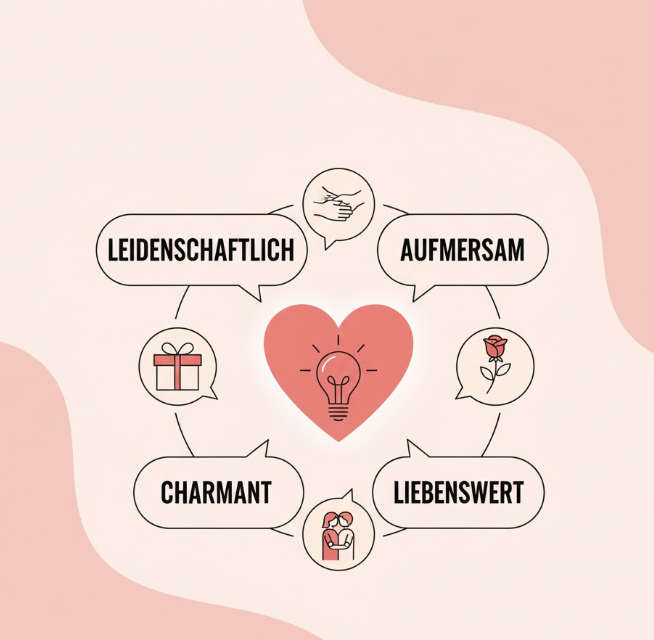
Definition of Adjectives for Lover
An adjective is a word that modifies a noun or pronoun, providing additional information about its qualities, characteristics, or attributes. In the context of describing a “lover,” adjectives are used to portray their physical appearance, personality traits, qualities, actions, emotional impact, and terms of endearment.
These adjectives can be classified into various categories based on the type of information they convey. For example, adjectives like “beautiful,” “handsome,” or “stunning” describe physical appearance, while adjectives like “kind,” “compassionate,” or “witty” describe personality traits.
Adjectives such as “passionate,” “devoted,” or “caring” describe qualities and actions, and adjectives like “beloved,” “cherished,” or “adored” express emotional connection and endearment.
The function of these adjectives is to enrich the description of the lover, making it more specific and emotionally resonant. They help to create a clearer image in the reader’s mind and convey the speaker’s feelings and perceptions.
The context in which these adjectives are used can also influence their meaning and impact. For instance, the adjective “fiery” can describe both a lover’s passionate nature and their quick temper, depending on the situation.
Structural Breakdown
Adjectives typically precede the noun they modify. For example, in the phrase “a beautiful lover,” the adjective “beautiful” comes before the noun “lover.” However, adjectives can also follow a linking verb, such as “is,” “are,” “was,” or “were.” In this case, the adjective describes the subject of the sentence. For example, “My lover is kind.”
Adjectives can also be modified by adverbs, which add further detail or intensity. For example, “an incredibly handsome lover” uses the adverb “incredibly” to intensify the adjective “handsome.” The order of adjectives can also be important, especially when using multiple adjectives to describe the same noun. Generally, adjectives that describe opinion or evaluation come before adjectives that describe fact or observation. For example, “a lovely, tall lover” sounds more natural than “a tall, lovely lover.”
Understanding the structural rules governing adjective placement and modification can help you to construct grammatically correct and stylistically effective sentences. Paying attention to the order of adjectives and the use of adverbs can enhance the clarity and impact of your descriptions.
Types and Categories
Adjectives for lovers can be categorized based on the specific aspect of the person they describe. Here are some key categories:
Physical Appearance
These adjectives describe the lover’s physical attributes. They can range from general descriptions like “attractive” or “good-looking” to more specific details about their features, such as “tall,” “slender,” “blue-eyed,” or “dark-haired.” The choice of these adjectives can reflect the speaker’s personal preferences and aesthetic values.
Personality Traits
These adjectives describe the lover’s character and disposition. They can include positive qualities like “kind,” “generous,” “compassionate,” “witty,” or “intelligent,” as well as more neutral or even negative traits like “stubborn,” “reserved,” or “impulsive.” The selection of these adjectives can reveal the speaker’s perception of the lover’s inner qualities.
Qualities and Actions
These adjectives describe the lover’s behavior and the way they interact with the world. They can include adjectives like “passionate,” “devoted,” “caring,” “supportive,” or “adventurous.” These adjectives often highlight the lover’s actions and their impact on the speaker’s life.
Emotional Connection
These adjectives express the speaker’s feelings and emotional bond with the lover. They can include adjectives like “beloved,” “cherished,” “adored,” “precious,” or “irreplaceable.” These adjectives often convey a deep sense of affection, appreciation, and commitment.
Terms of Endearment
These adjectives are used as affectionate nicknames or terms of address for the lover. They can include adjectives like “sweetheart,” “darling,” “honey,” “angel,” or “treasure.” These terms often reflect the speaker’s intimate relationship and emotional connection with the lover.
Examples
To illustrate the use of adjectives for lovers, here are several examples organized by category:
Physical Appearance Examples
The following table provides examples of adjectives used to describe a lover’s physical appearance. These adjectives help to create a visual image of the person being described.
| Adjective | Example Sentence |
|---|---|
| Attractive | My lover is incredibly attractive. |
| Beautiful | She is the most beautiful lover I could ask for. |
| Handsome | He is a handsome lover with a charming smile. |
| Stunning | My lover looked stunning in the moonlight. |
| Gorgeous | She is a gorgeous lover, inside and out. |
| Alluring | He has an alluring gaze that captivates me. |
| Tall | My tall lover always makes me feel safe. |
| Slender | She is a slender lover with graceful movements. |
| Blue-eyed | His blue-eyed lover is the light of his life. |
| Dark-haired | I’ve always been attracted to dark-haired lovers. |
| Radiant | Her radiant lover always brightens up the room. |
| Charming | He is a charming lover with a magnetic personality. |
| Muscular | I admire my muscular lover’s strength. |
| Elegant | She is an elegant lover with refined taste. |
| Youthful | My youthful lover always brings a sense of joy. |
| Fit | Her fit lover is always up for an adventure. |
| Graceful | He is a graceful lover with a gentle touch. |
| Voluptuous | I adore my voluptuous lover’s curves. |
| Lanky | He’s a lanky lover with a quirky charm. |
| Petite | She is a petite lover, full of energy. |
| Well-built | My well-built lover is the epitome of strength. |
| Delicate | Her delicate lover has a gentle soul. |
| Robust | He is a robust lover with a hearty laugh. |
| Fair | My fair lover has skin like porcelain. |
Personality Traits Examples
The following table provides examples of adjectives used to describe a lover’s personality traits. These adjectives help to portray their character and disposition.
| Adjective | Example Sentence |
|---|---|
| Kind | My lover is the kindest person I know. |
| Generous | She is a generous lover, always giving her time and attention. |
| Compassionate | He is a compassionate lover who cares deeply about others. |
| Witty | My lover is witty and always makes me laugh. |
| Intelligent | She is an intelligent lover with a sharp mind. |
| Loyal | He is a loyal lover, always standing by my side. |
| Supportive | My supportive lover always encourages my dreams. |
| Understanding | She is an understanding lover, always listening without judgment. |
| Patient | I admire my patient lover’s calm demeanor. |
| Optimistic | He is an optimistic lover, always seeing the best in every situation. |
| Adventurous | My adventurous lover is always up for trying new things. |
| Passionate | She is a passionate lover, full of fire and energy. |
| Gentle | He is a gentle lover with a tender touch. |
| Empathetic | My empathetic lover understands my feelings deeply. |
| Cheerful | She is a cheerful lover, always bringing joy to my days. |
| Courageous | He is a courageous lover, never afraid to face challenges. |
| Creative | My creative lover always inspires me with their ideas. |
| Resilient | She is a resilient lover, always bouncing back from setbacks. |
| Thoughtful | He is a thoughtful lover who always remembers the small things. |
| Confident | My confident lover is never afraid to be themselves. |
| Sincere | She is a sincere lover with a heart of gold. |
| Humble | He is a humble lover who never boasts about his accomplishments. |
| Independent | My independent lover values their freedom. |
| Affectionate | She is an affectionate lover who loves to cuddle. |
Qualities and Actions Examples
The following table provides examples of adjectives used to describe a lover’s qualities and actions. These adjectives highlight their behavior and impact.
| Adjective | Example Sentence |
|---|---|
| Passionate | My lover is a passionate dancer. |
| Devoted | She is a devoted lover who always puts our relationship first. |
| Caring | He is a caring lover who always looks after my needs. |
| Supportive | My supportive lover is always there to cheer me on. |
| Adventurous | She is an adventurous lover who loves to explore new places. |
| Romantic | He is a romantic lover who always plans special dates. |
| Attentive | My attentive lover always remembers my preferences. |
| Playful | She is a playful lover who loves to have fun. |
| Reliable | He is a reliable lover who always keeps his promises. |
| Considerate | My considerate lover always thinks of others. |
| Giving | She is a giving lover who always shares what she has. |
| Forgiving | He is a forgiving lover who never holds grudges. |
| Inspiring | My inspiring lover encourages me to be my best self. |
| Motivating | She is a motivating lover who pushes me to achieve my goals. |
| Nurturing | He is a nurturing lover who provides a safe space for me. |
| Protective | My protective lover always makes me feel secure. |
| Understanding | She is an understanding lover who listens without judgment. |
| Encouraging | He is an encouraging lover who believes in my abilities. |
| Patient | My patient lover never rushes me. |
| Kindhearted | She is a kindhearted lover who always puts others first. |
| Selfless | He is a selfless lover who always thinks of my needs. |
| Devoted | My devoted lover is always there for me, through thick and thin. |
| Dedicated | She is a dedicated lover who invests time and energy into our relationship. |
| Affectionate | His affectionate actions always make me feel loved. |
Emotional Connection Examples
The following table provides examples of adjectives used to describe the emotional connection with a lover. These adjectives express feelings and bonds.
| Adjective | Example Sentence |
|---|---|
| Beloved | My beloved lover is the most important person in my life. |
| Cherished | She is a cherished lover, and I treasure every moment with her. |
| Adored | He is an adored lover, and I can’t imagine my life without him. |
| Precious | My precious lover is a gift I will always appreciate. |
| Irreplaceable | She is an irreplaceable lover, and I’m grateful to have her. |
| Invaluable | He is an invaluable lover whose presence enriches my life. |
| Treasured | My treasured lover is someone I hold dear to my heart. |
| Esteemed | She is an esteemed lover whom I respect and admire. |
| Honored | I am honored to be the lover of such a wonderful person. |
| Revered | He is a revered lover whose wisdom and kindness inspire me. |
| Special | My special lover has a unique place in my heart. |
| Unique | She is a unique lover unlike anyone I have ever met. |
| Exceptional | He is an exceptional lover who always goes above and beyond. |
| Extraordinary | My extraordinary lover makes every day feel like a dream. |
| Wonderful | She is a wonderful lover who fills my life with joy. |
| Amazing | He is an amazing lover who always surprises me with his kindness. |
| Fabulous | My fabulous lover makes every day an adventure. |
| Marvelous | She is a marvelous lover who always knows how to make me smile. |
| Delightful | He is a delightful lover who always brings a sense of fun. |
| Magnificent | My magnificent lover is the best thing that has ever happened to me. |
| Ideal | She is my ideal lover, everything I’ve ever wanted. |
| Perfect | He is a perfect lover in my eyes. |
| Soulful | My soulful lover understands me on a deeper level. |
| Heartfelt | Her heartfelt love is the greatest gift of all. |
Endearment Terms Examples
The following table provides examples of adjectives used as terms of endearment for a lover. These terms reflect intimacy and affection.
| Adjective | Example Sentence |
|---|---|
| Sweetheart | “Good morning, sweetheart,” he said with a smile. |
| Darling | “I love you, darling,” she whispered softly. |
| Honey | “How was your day, honey?” he asked. |
| Angel | “You’re my angel,” she said, holding him close. |
| Treasure | “You’re my treasure,” he said, looking into her eyes. |
| Love | “Come here, my love,” she said, beckoning him closer. |
| Dear | “Thank you, my dear,” he said gratefully. |
| Beloved | “My beloved, I miss you so much,” she wrote in her letter. |
| Precious | “You’re so precious to me,” he said, kissing her forehead. |
| Sunshine | “You’re my sunshine on a cloudy day,” she sang softly. |
| Beautiful | “You’re so beautiful,” he said, admiring her. |
| Handsome | “My handsome, you always take my breath away,” she said. |
| Sweetie | “Don’t worry, sweetie, everything will be alright,” he reassured. |
| Cutie | “Hey cutie, what are you up to?” she texted playfully. |
| My Heart | “You are my heart and soul”, he expressed lovingly. |
| My Life | “You are my life“, she said, meaning every word. |
| My Everything | “You’re my everything to me”, he said, profoundly in love. |
| My World | “You are my world“, she said, holding him tighter. |
| Honeybun | “Good morning, honeybun“, he greeted affectionately. |
| Pumpkin | “How was work, pumpkin?”, she asked with care. |
| Doll | “Hello, doll“, he said with a wink. |
| Dumpling | “You’re my little dumpling“, she said endearingly. |
| Peaches | “Hey peaches, how are you today?”, he asked lovingly. |
| Kitten | “Come here, kitten“, she whispered softly. |
Usage Rules
When using adjectives to describe a lover, it’s important to follow certain usage rules to ensure clarity and accuracy. Here are some key guidelines:
- Placement: Adjectives typically precede the noun they modify. For example, “a beautiful lover.” However, they can also follow a linking verb: “My lover is beautiful.”
- Order: When using multiple adjectives, follow a general order: opinion, size, age, shape, color, origin, material, purpose. For example, “a lovely, tall, young lover.”
- Agreement: Adjectives do not typically change form to agree with the noun they modify in English, unlike some other languages. For example, it is always “a beautiful lover” whether the lover is male or female.
- Adverbs: Use adverbs to modify adjectives and add intensity or nuance. For example, “an incredibly handsome lover.”
- Context: Choose adjectives that are appropriate for the context and the relationship. Consider the level of intimacy and the specific qualities you want to emphasize.
- Avoid Clichés: While some adjectives are commonly used, try to avoid clichés and find fresh, original ways to describe your lover.
Common Mistakes
Here are some common mistakes to avoid when using adjectives to describe a lover:
| Incorrect | Correct | Explanation |
|---|---|---|
| A lover beautiful | A beautiful lover | Adjectives usually precede the noun. |
| My lover is beauty | My lover is beautiful | Use the adjective form, not the noun. |
| A tall lovely lover | A lovely tall lover | Opinion adjectives usually come before factual ones. |
| Very beautifulest lover | Very beautiful lover / The most beautiful lover | Avoid double superlatives. |
| He is a good lover. | He is a kind lover / He is a skilled lover. | “Good” is vague; use more specific adjectives. |
| She is a nice lover. | She is a compassionate lover / She is an understanding lover. | “Nice” is overused; choose more descriptive adjectives. |
| A gorgeouser lover | A more gorgeous lover | Use “more” for comparative adjectives ending in -ous. |
| He is more handsome than her. | He is more handsome than she is. | Avoid incomplete comparisons. |
Practice Exercises
Test your understanding of adjectives for lovers with these practice exercises:
Exercise 1: Identifying Adjectives
Identify the adjectives in the following sentences that describe the lover:
| Question | Answer |
|---|---|
| 1. My wonderful lover always makes me smile. | wonderful |
| 2. She is a kind and compassionate lover. | kind, compassionate |
| 3. He is a handsome lover with a charming smile. | handsome, charming |
| 4. My lover is incredibly supportive of my dreams. | supportive |
| 5. She is a generous and loving lover. | generous, loving |
| 6. He is my precious and beloved lover. | precious, beloved |
| 7. My lover is adventurous and always up for new experiences. | adventurous |
| 8. She is a thoughtful lover who always remembers my birthday. | thoughtful |
| 9. He is a patient and understanding lover. | patient, understanding |
| 10. My lover is irreplaceable and unique. | irreplaceable, unique |
Exercise 2: Sentence Completion
Complete the following sentences with appropriate adjectives to describe the lover:
| Question | Answer |
|---|---|
| 1. My lover is a very ________ person, always helping others. | kind/generous |
| 2. She has a ________ smile that brightens my day. | beautiful/radiant |
| 3. He is a ________ and ________ lover, always there for me. | loyal, supportive |
| 4. My ________ lover always knows how to make me laugh. | witty/funny |
| 5. She is an ________ and ________ lover, always exploring new things. | adventurous, curious |
| 6. He is a ________ lover, always putting my needs first. | selfless/considerate |
| 7. My ________ lover has a heart of gold. | compassionate/kind |
| 8. She is a ________ and ________ presence in my life. | cherished, valued |
| 9. He is a ________ lover, full of energy and passion. | passionate/fiery |
| 10. My ________ lover is the best thing that has ever happened to me. | amazing/wonderful |
Exercise 3: Error Correction
Identify and correct the errors in the following sentences:
| Question | Answer | Corrected |
|---|---|---|
| 1. A lover beautiful she is. | She is a beautiful lover. | She is a beautiful lover. |
| 2. My lover is beauty. | My lover is beautiful. | My lover is beautiful. |
| 3. He is more kinder than I am. | He is kinder than I am. | He is kinder than I am. |
| 4. She is a goodest lover. | She is the best lover. | She is the best lover. |
| 5. My lover is very intelligentest. | My lover is very intelligent. | My lover is very intelligent. |
| 6. He is a nice lover. | He is a kind lover. | He is a kind lover. |
| 7. She is a gorgeouser lover than her. | She is a more gorgeous lover than she is. | She is a more gorgeous lover than she is. |
| 8. He is a tall lovely lover. | He is a lovely tall lover. | He is a lovely tall lover. |
| 9. She is much beautiful. | She is very beautiful. | She is very beautiful. |
| 10. My lover is more unique than anyone. | My lover is unique. | My lover is unique. |
Advanced Topics
For advanced learners, consider these more complex aspects of using adjectives for lovers:
- Figurative Language: Use metaphors, similes, and personification to create more vivid and imaginative descriptions. For example, “My lover’s eyes are like pools of liquid gold.”
- Subtlety and Nuance: Explore subtle shades of meaning and avoid overly simplistic or cliché descriptions. Consider the specific context and the emotional impact you want to create.
- Cultural Context: Be aware of cultural differences in the perception and expression of love and attraction. Adjectives that are considered positive in one culture may have different connotations in another.
- Literary Devices: Study how famous writers use adjectives to describe lovers in poetry, novels, and plays. Analyze their techniques and experiment with your own style.
- Word Choice: Pay attention to the connotations and associations of different adjectives. Use a thesaurus to find synonyms that convey the precise meaning you intend.
FAQ
Here are some frequently asked questions about using adjectives for lovers:
- What are some good adjectives to describe a lover’s personality?Some good adjectives to describe a lover’s personality include kind, compassionate, witty, intelligent, loyal, supportive, understanding, patient, optimistic, and adventurous. The best choice will depend on the specific qualities you want to emphasize and the overall tone of your description.
- How can I avoid using clichés when describing my lover?To avoid using clichés, try to be specific and original in your descriptions. Instead of saying “My lover is beautiful,” describe their unique features or qualities that make them beautiful to you. Use figurative language and sensory details to create a more vividand memorable image.
- What is the best way to use multiple adjectives to describe a lover?When using multiple adjectives, follow the general order: opinion, size, age, shape, color, origin, material, purpose. For example, “a lovely, tall, young lover.” Also, consider using commas to separate the adjectives and avoid overwhelming the reader with too much detail.
- How can I use adjectives to express my feelings for my lover?Choose adjectives that convey your emotions and the impact your lover has on your life. Use adjectives like “beloved,” “cherished,” “adored,” “precious,” and “irreplaceable” to express your deep affection and appreciation.
- Are there any adjectives I should avoid when describing a lover?Avoid adjectives that are generic, overused, or have negative connotations. Also, be mindful of cultural differences and avoid adjectives that may be offensive or inappropriate in certain contexts.
Conclusion
Mastering the use of adjectives to describe a lover can significantly enhance your ability to express your feelings and create compelling descriptions. By understanding the different types of adjectives, following usage rules, avoiding common mistakes, and practicing regularly, you can refine your descriptive skills and communicate your emotions with greater precision and impact.
Whether you’re a writer, a student, or simply someone who wants to express their love more effectively, this comprehensive guide provides the tools and knowledge you need to succeed. Keep exploring new adjectives, experimenting with different styles, and refining your vocabulary to become a more expressive and articulate communicator.